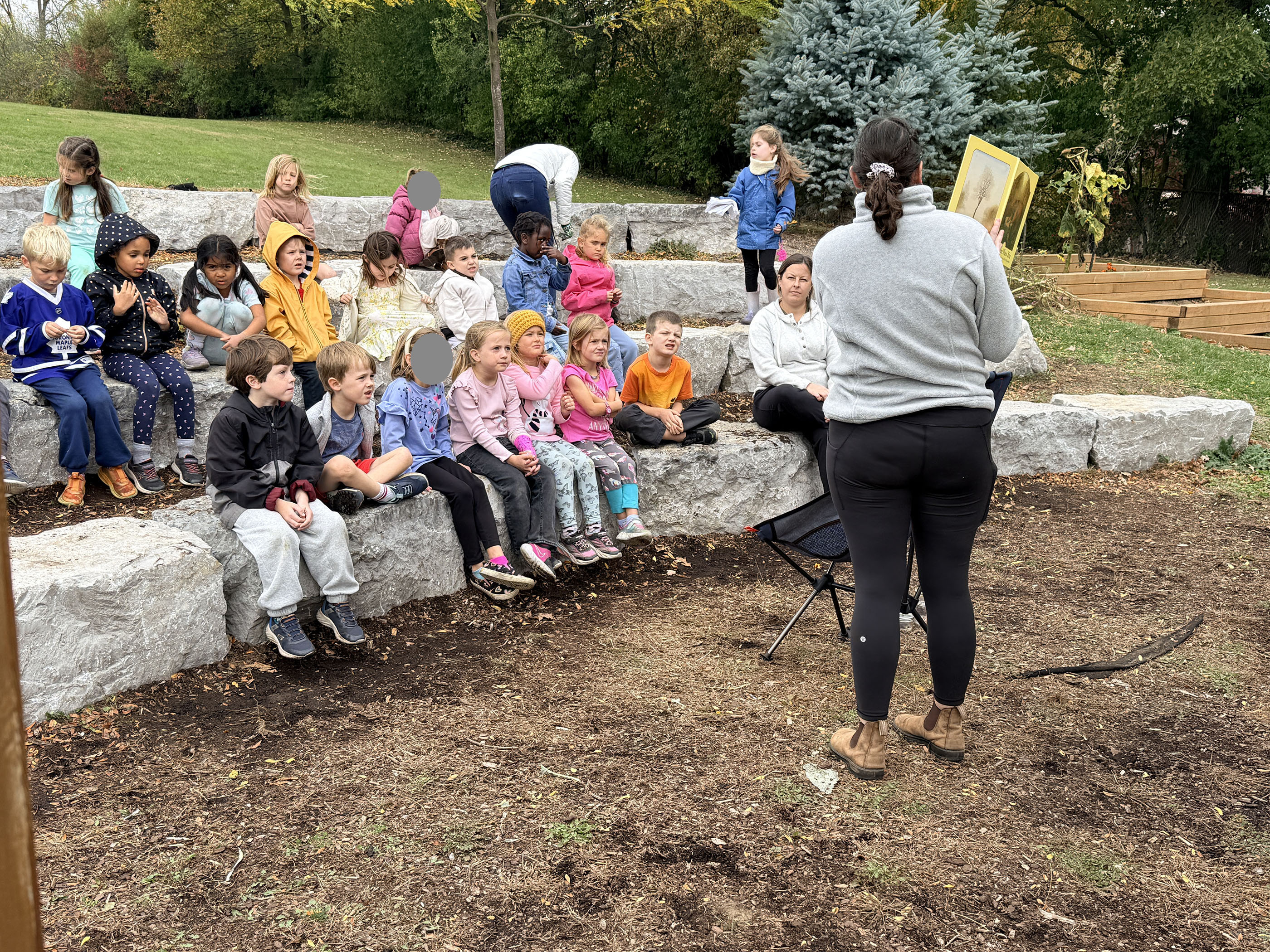
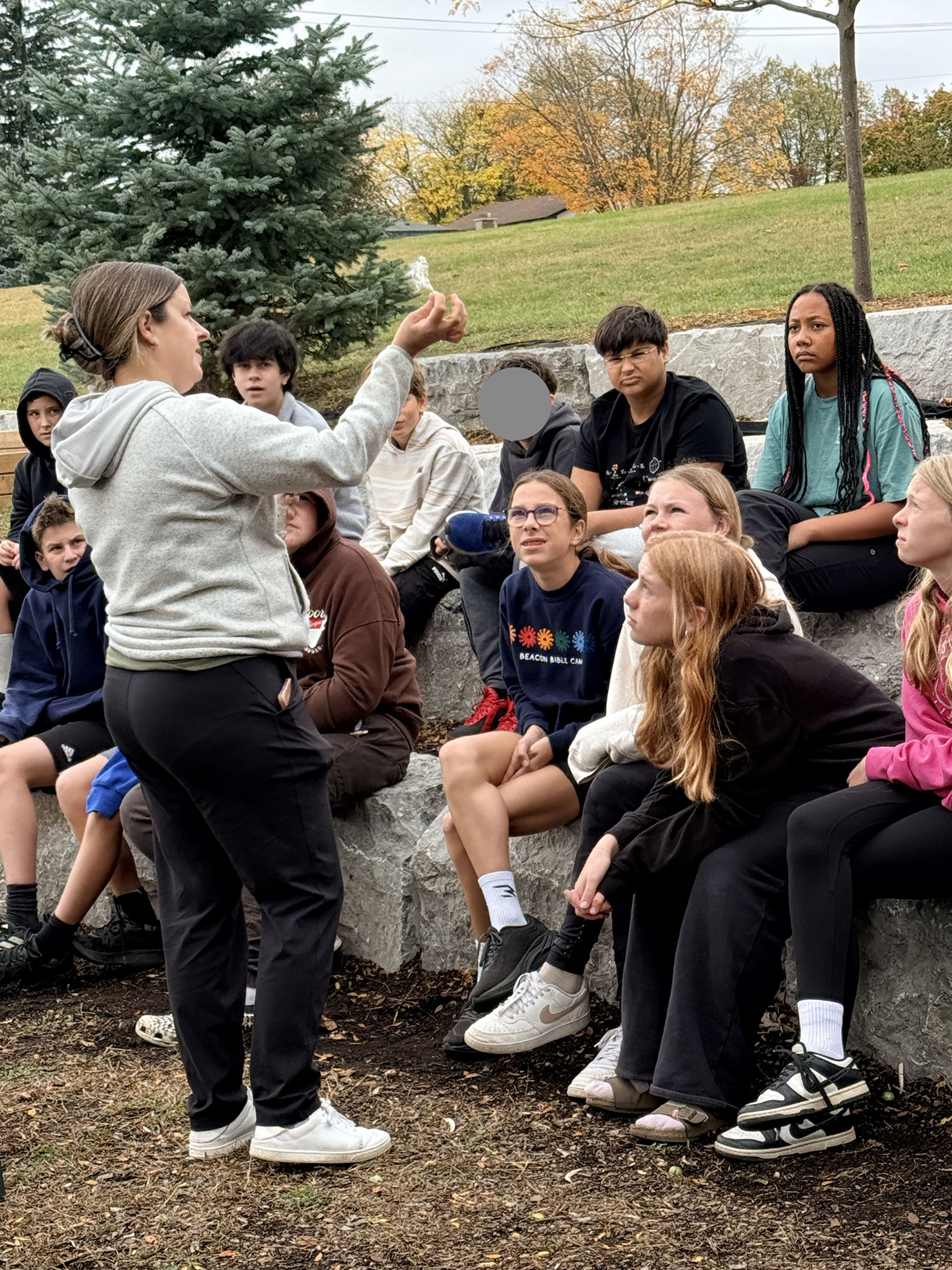
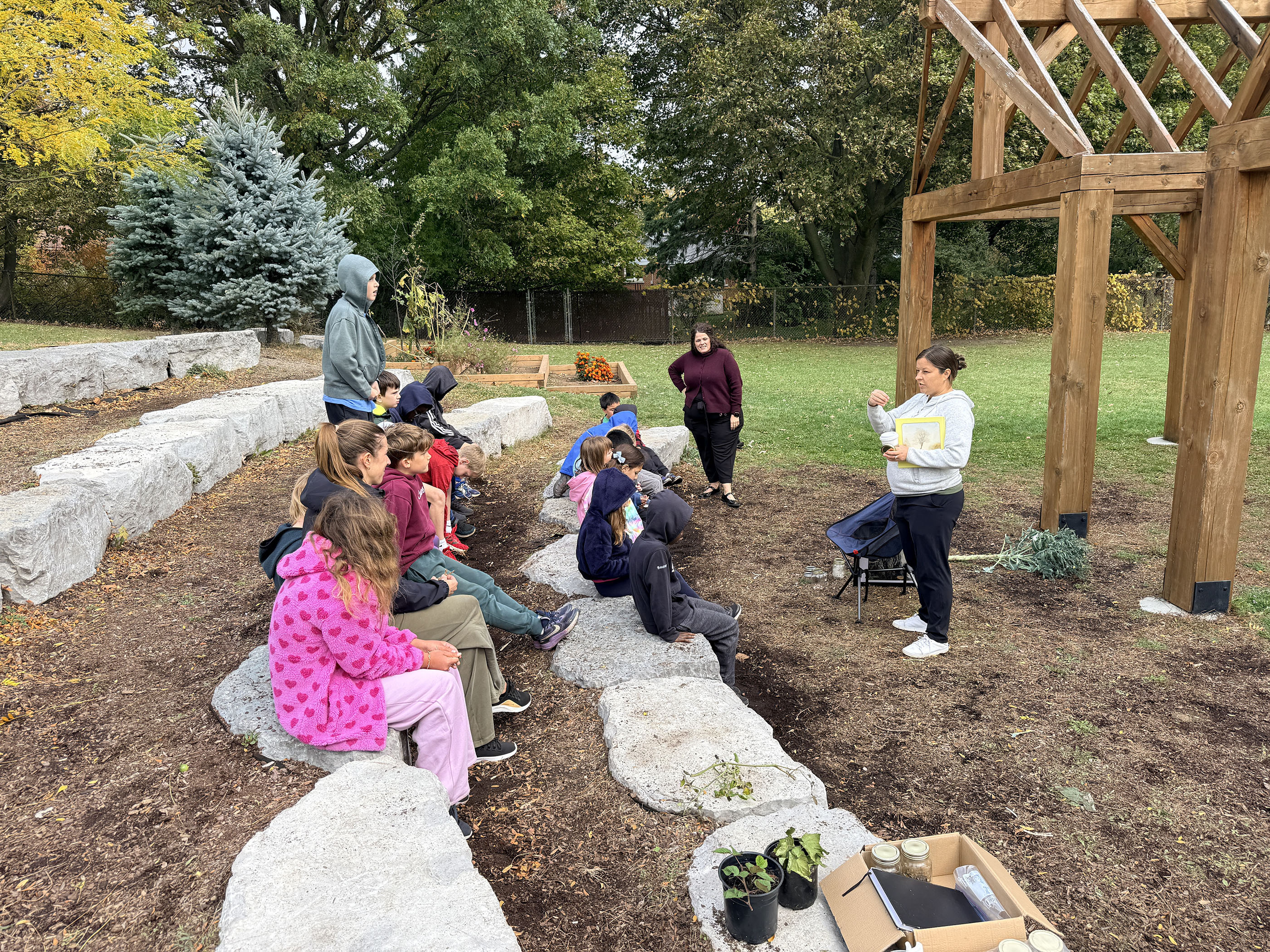
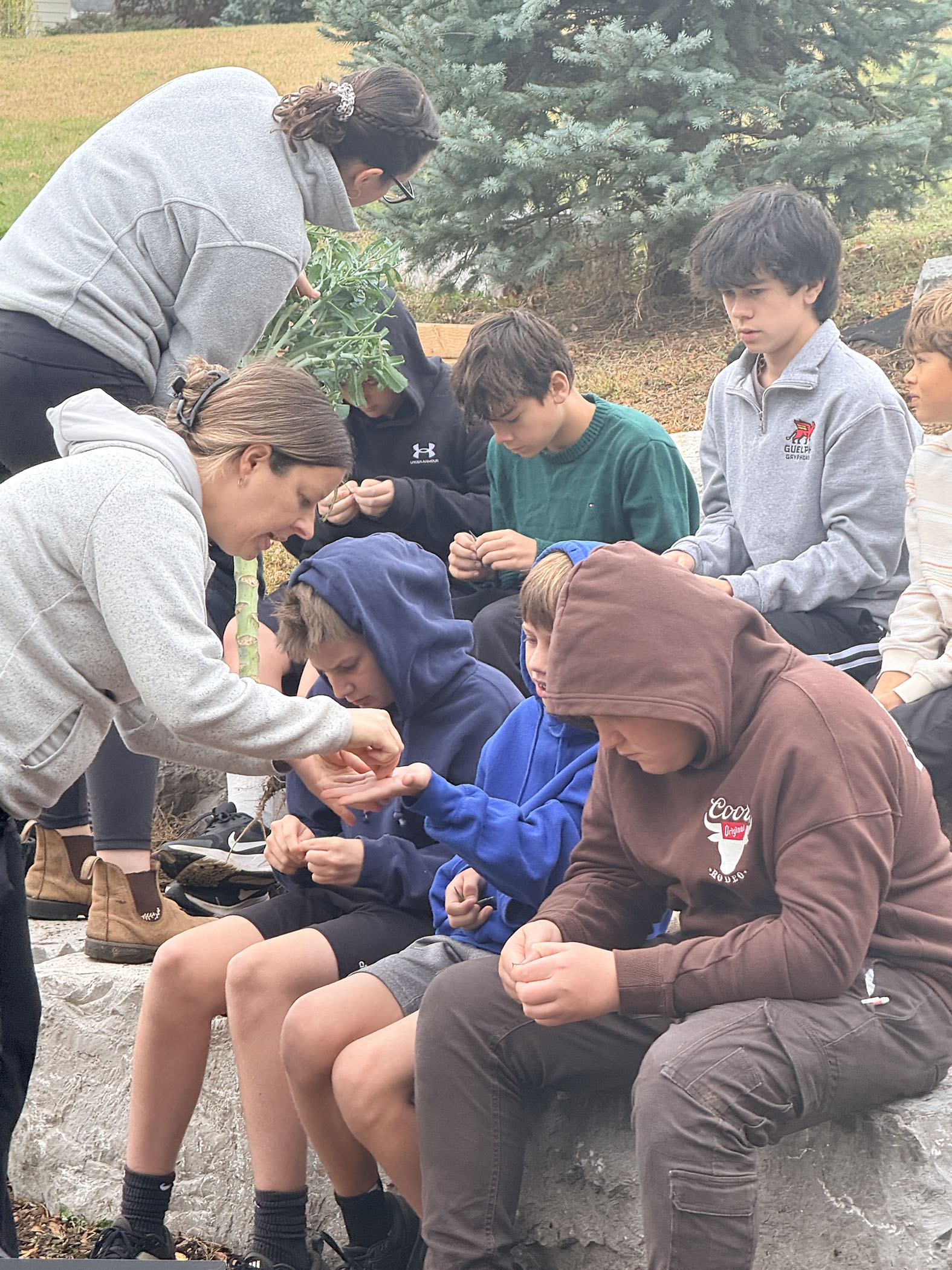
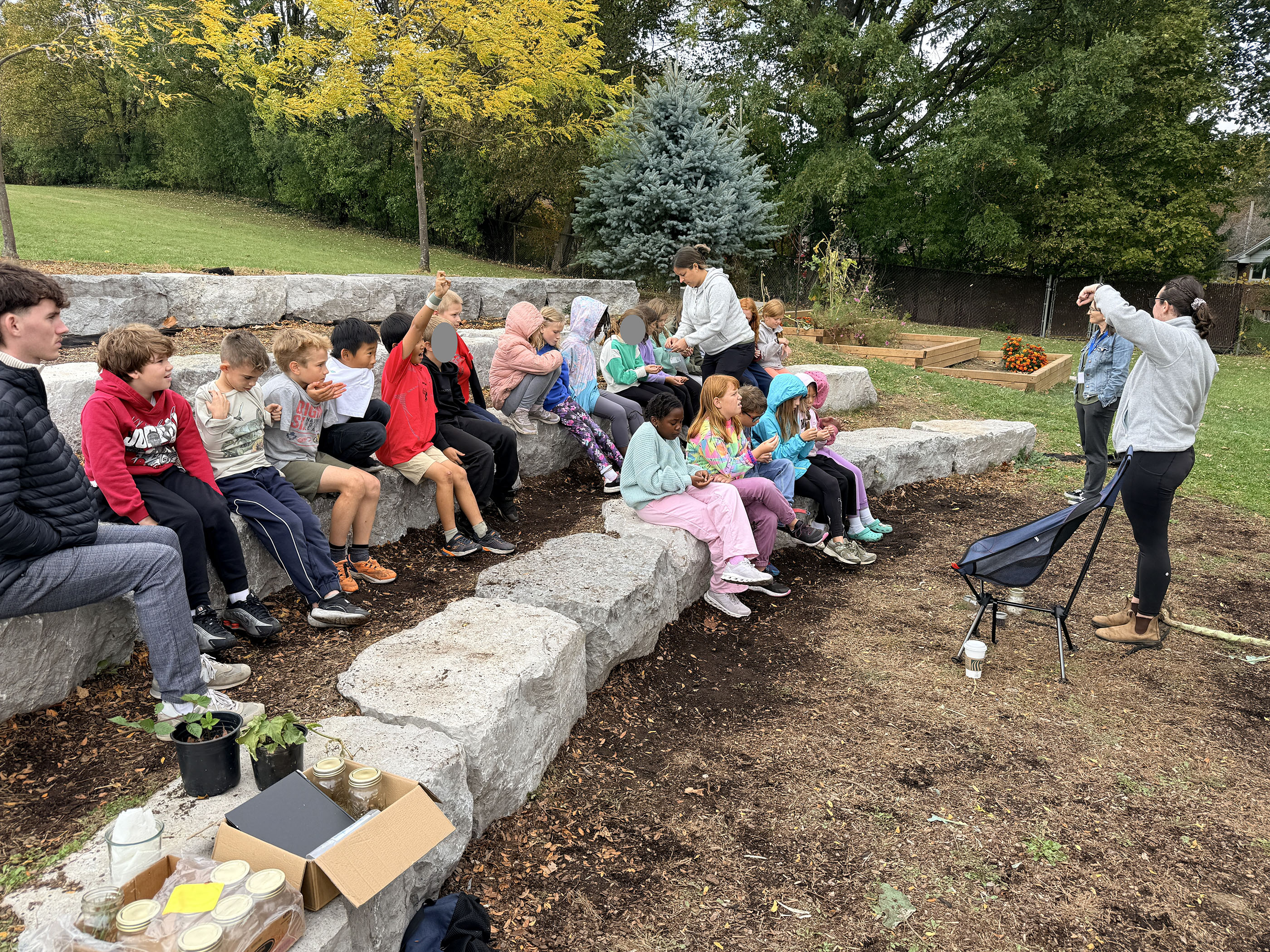
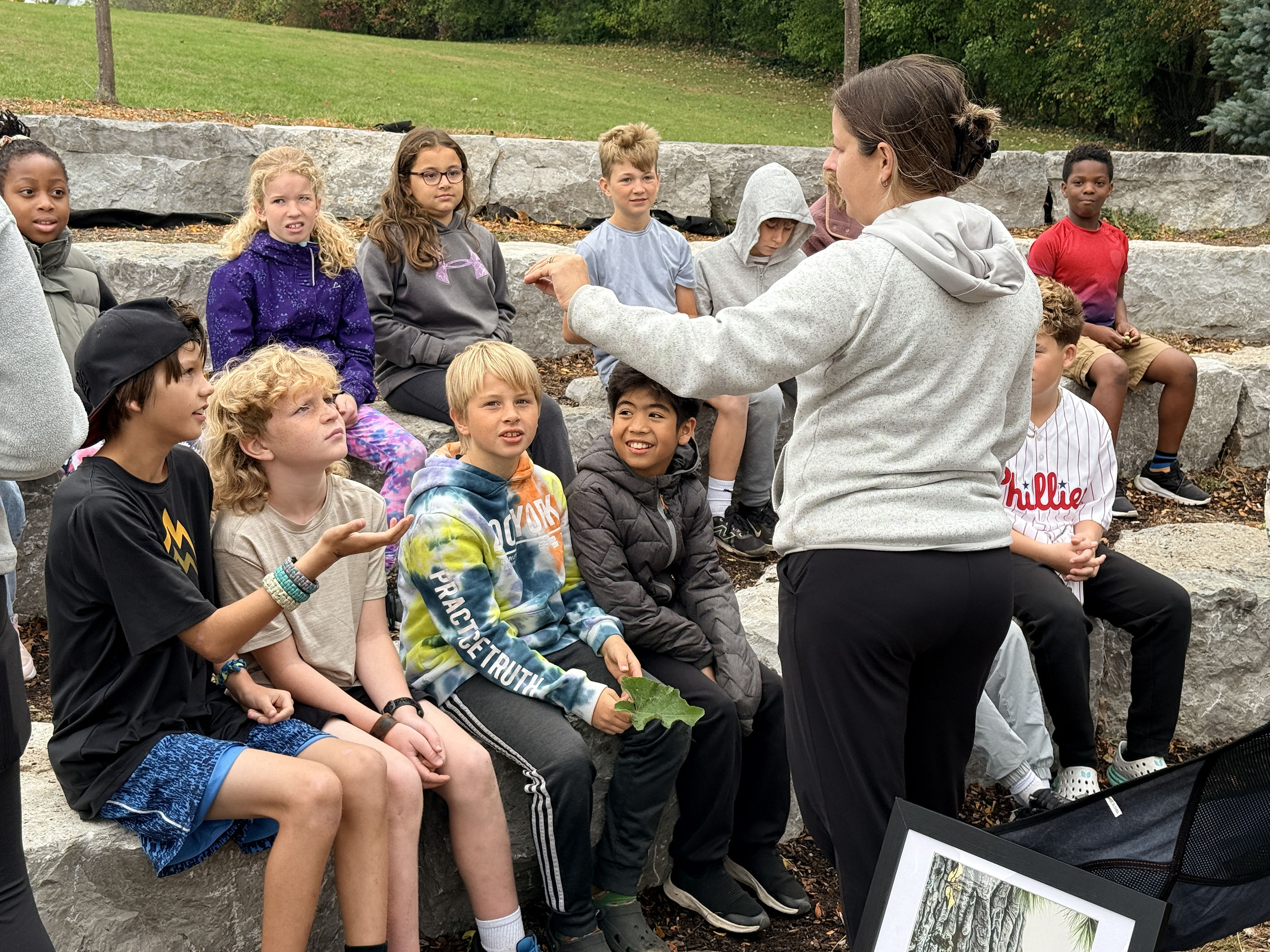
As the seasons change and autumn settles in, our students across all grades enjoyed another day of hands-on learning in the community garden. This time, the focus was on preparing the garden for winter while discovering more about biodiversity, the tiny ecosystems that make a garden thrive, and the important role seeds play in the future of our food.
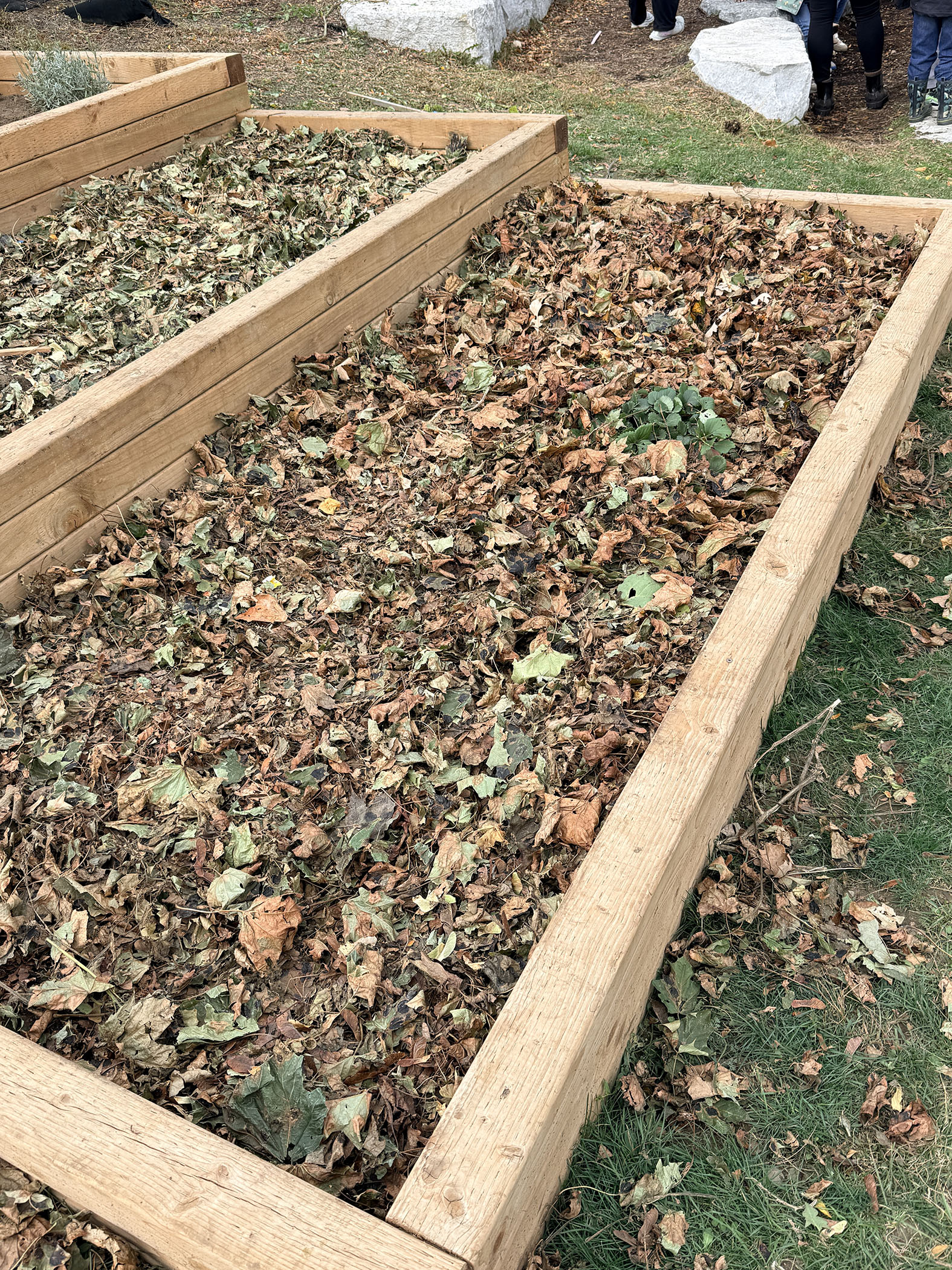
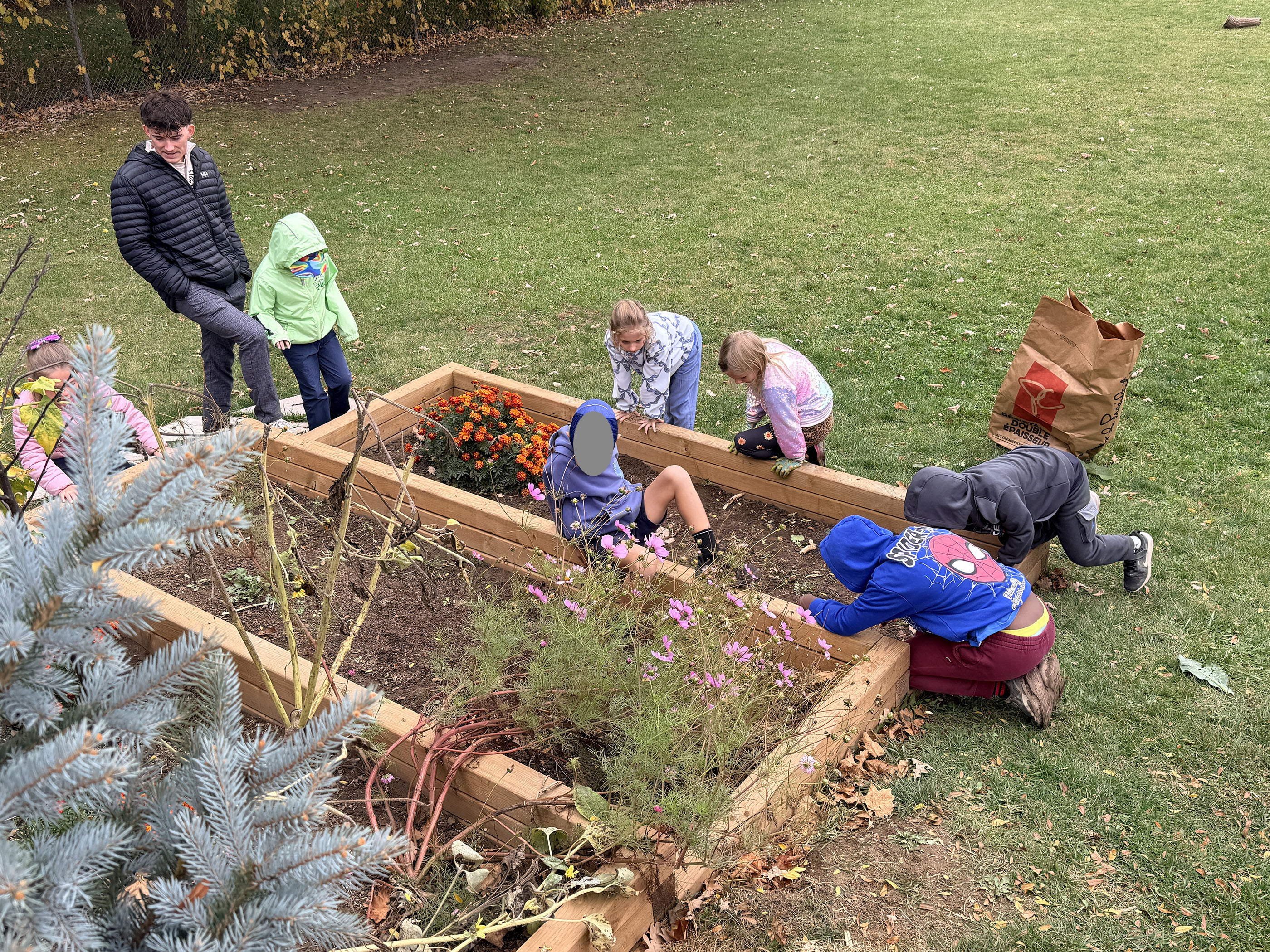
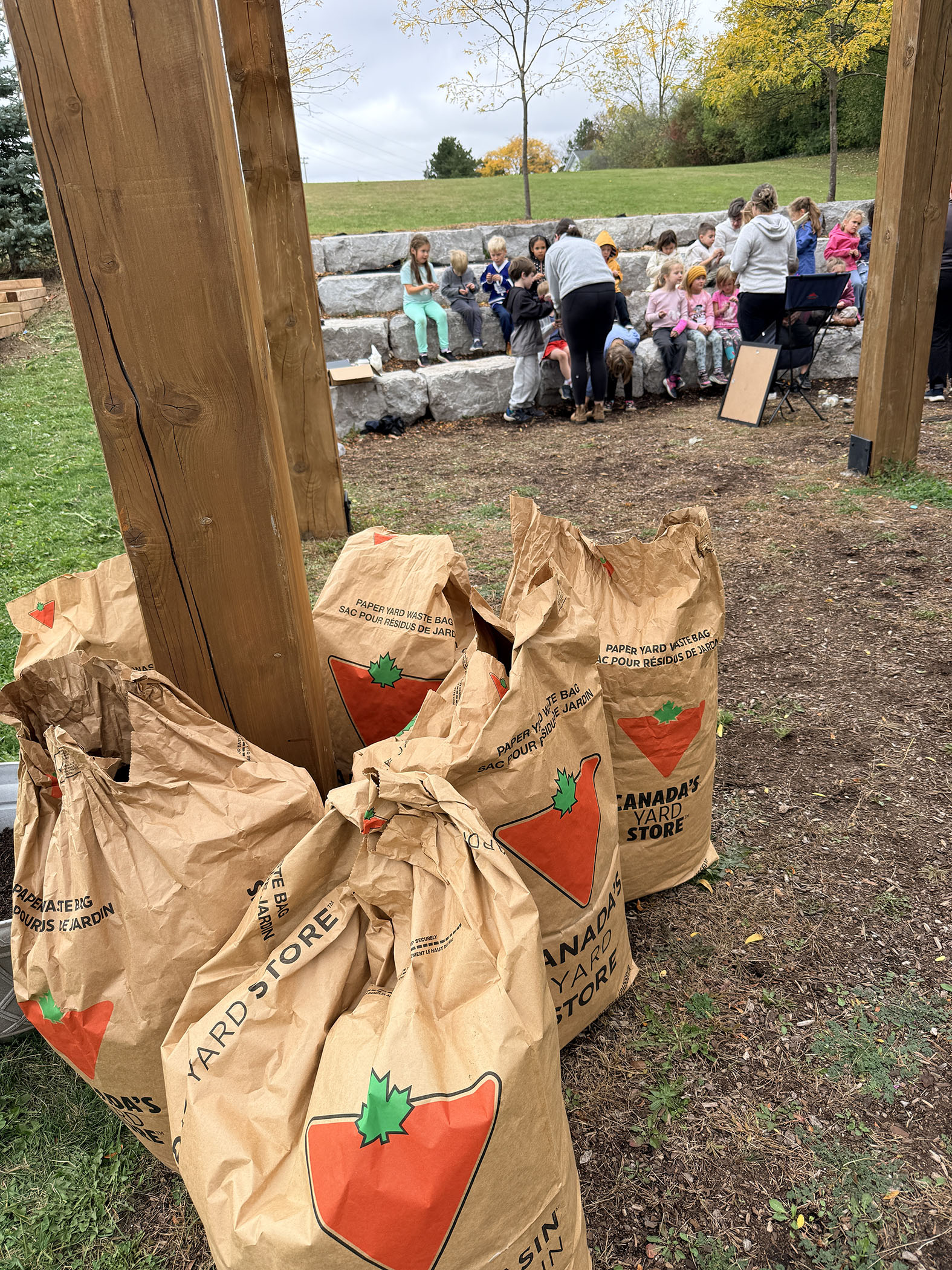
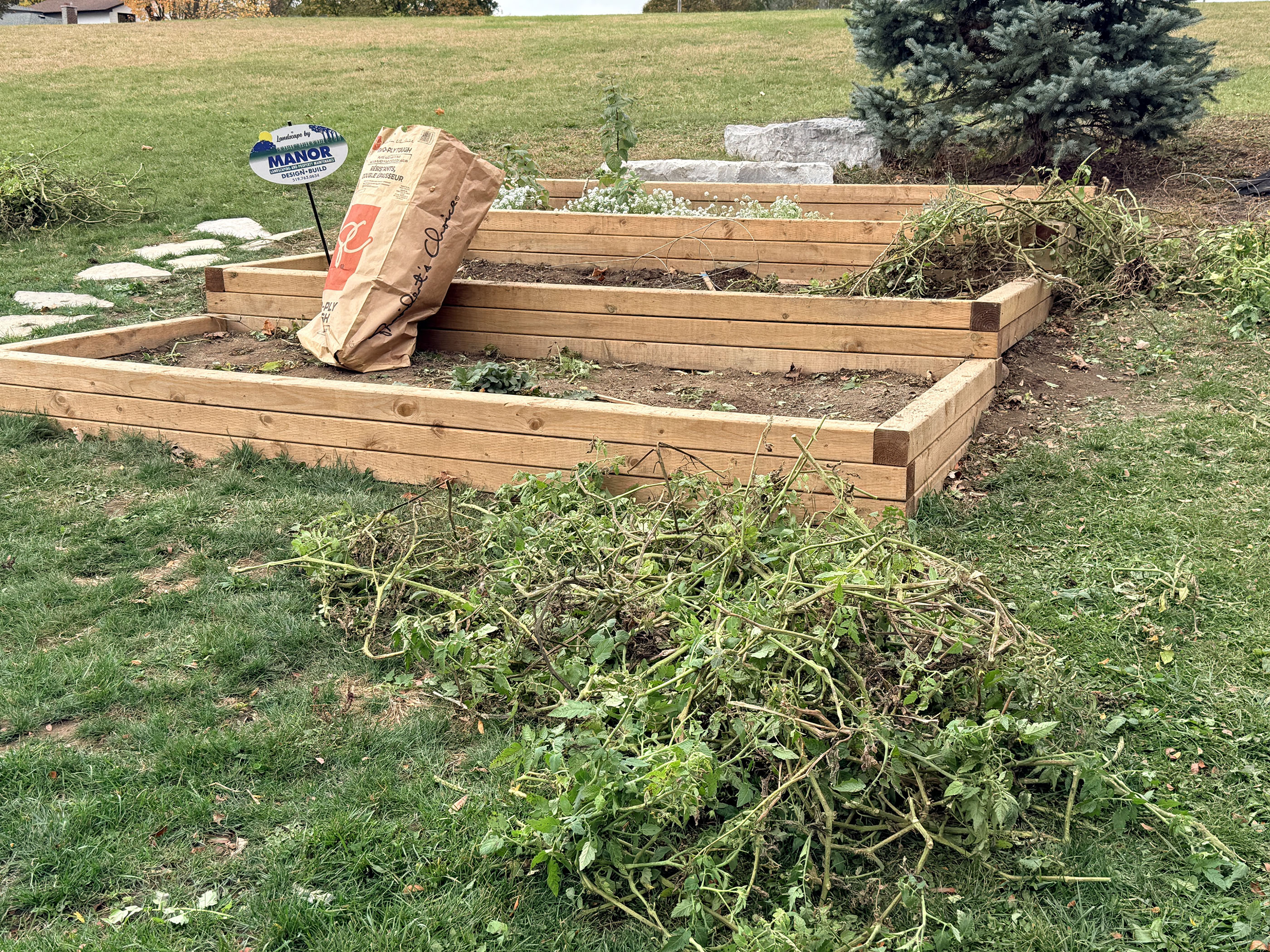
There was plenty to do! Students worked together to weed the garden beds, harvest and preserve seeds, and prepare the soil for the colder months ahead. Rather than leaving the garden bare, we covered the soil with fallen leaves, helping to protect the ground and return valuable nutrients to the earth over winter.
Seeds That Hold the Future
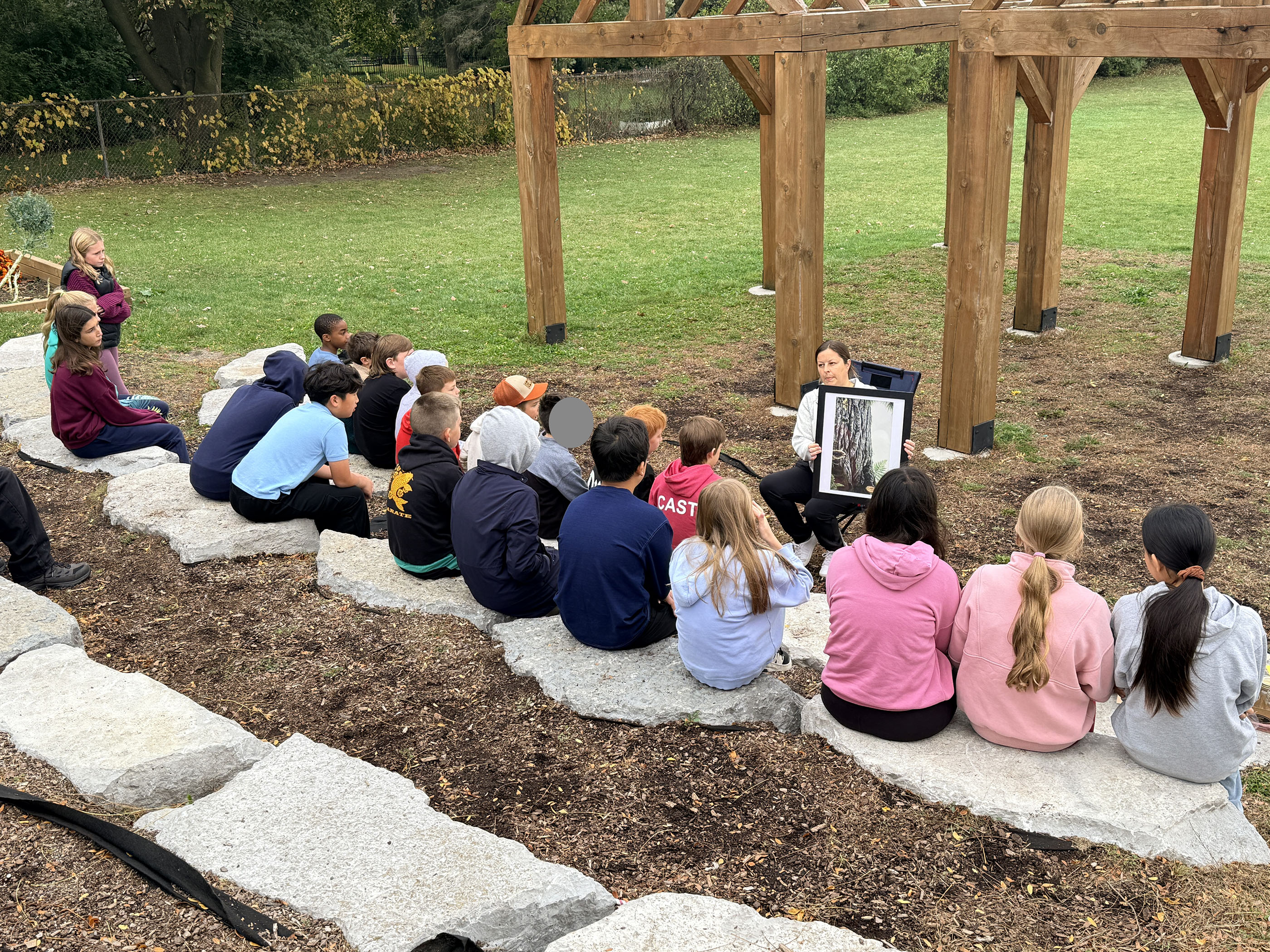
One of the most interesting lessons of the day was learning about the difference between heirloom and hybrid seeds, and why saving seeds is so important to the future of our garden.
Our goal is to grow a garden that can continue to flourish year after year by harvesting seeds from the plants we grow and using them to replant in the seasons ahead. Students learned how some hybrid varieties may not grow true to the parent plant when their seeds are replanted, while heirloom varieties can often be saved and grown again, preserving their characteristics for future generations.
We also discussed the importance of preserving heirloom seeds and the concern that, as traditional varieties disappear, we risk losing some of the diversity that makes our food supply so special. Saving seeds is one small but meaningful way we can help protect that diversity.
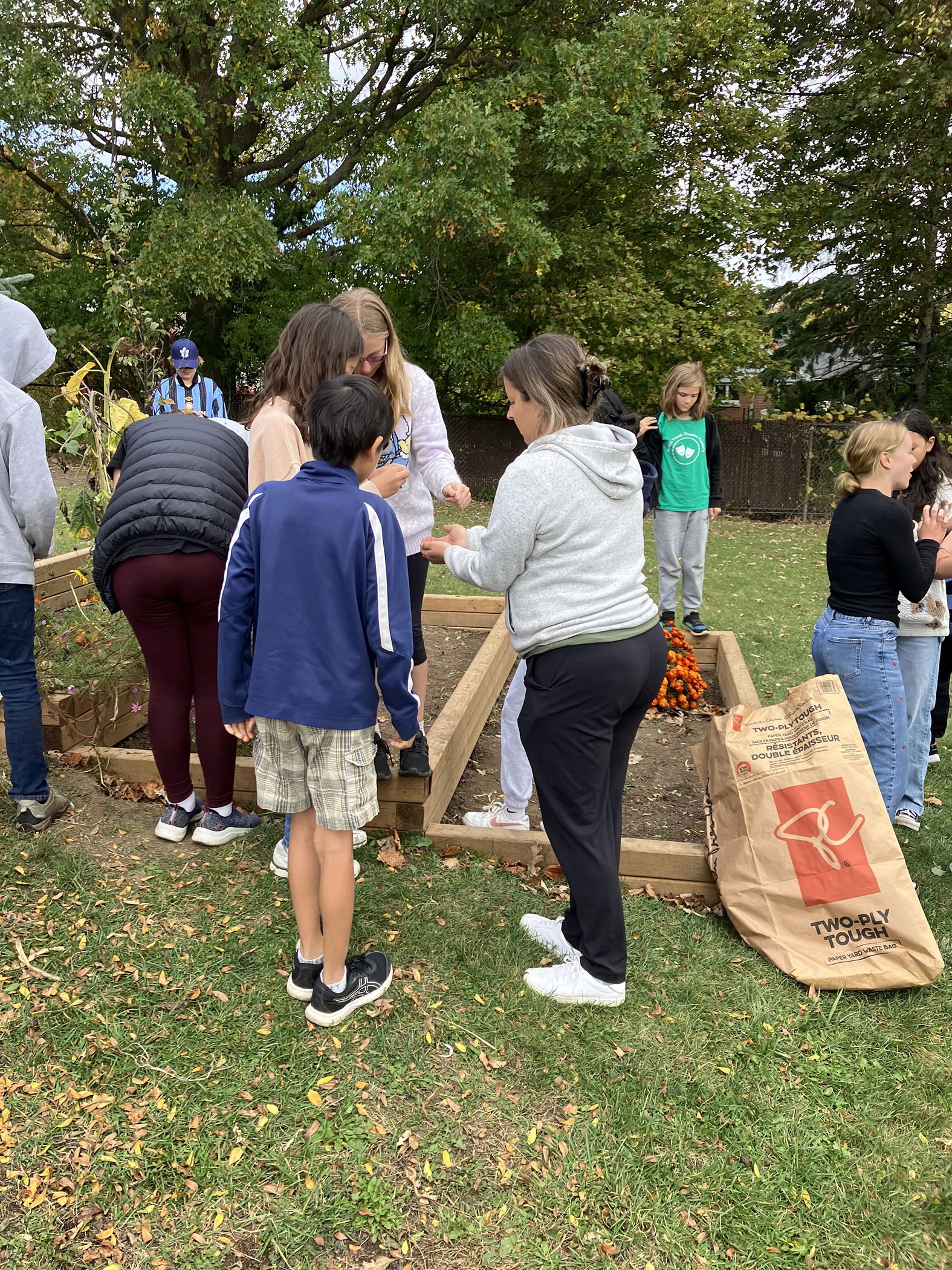
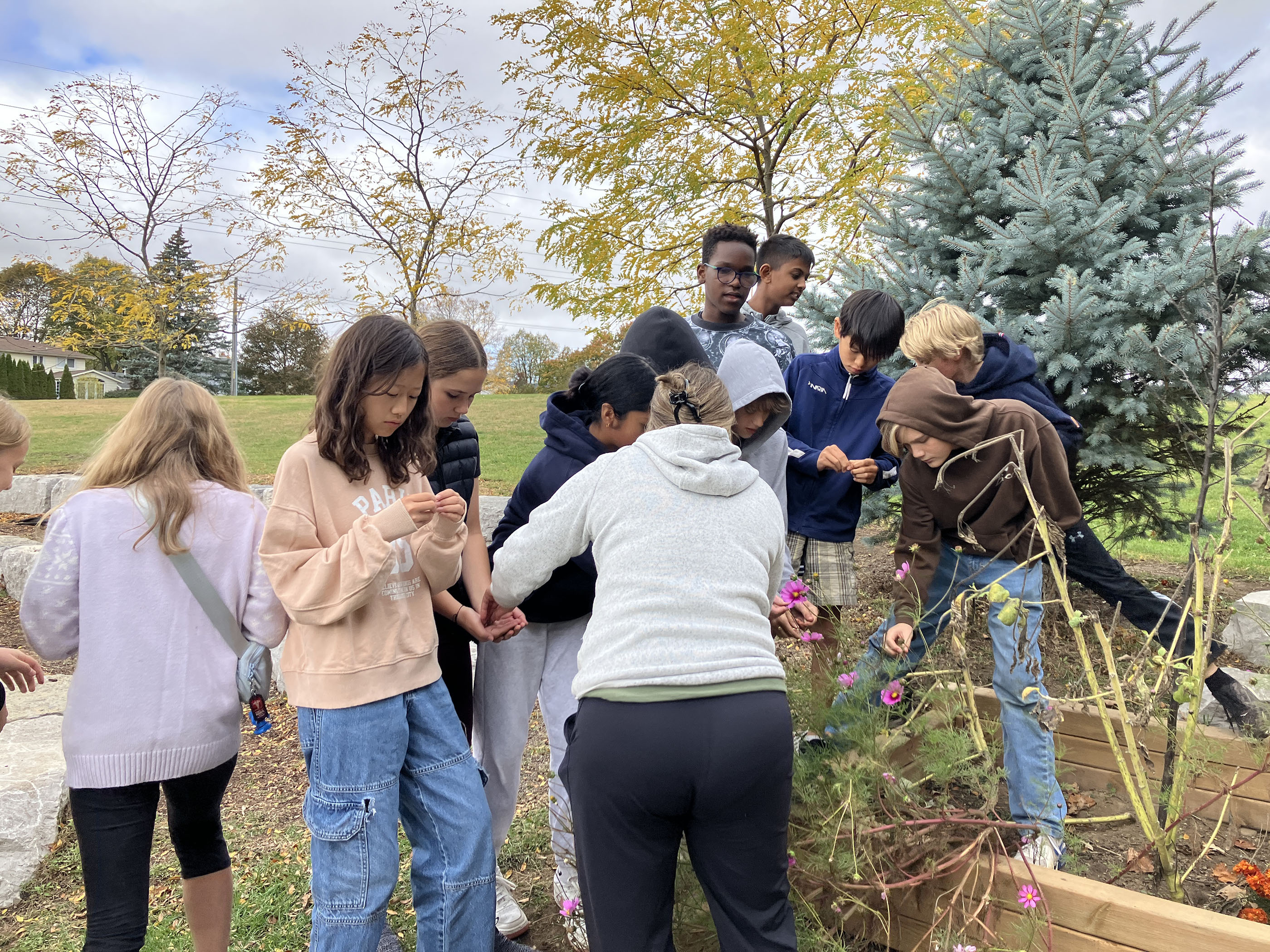
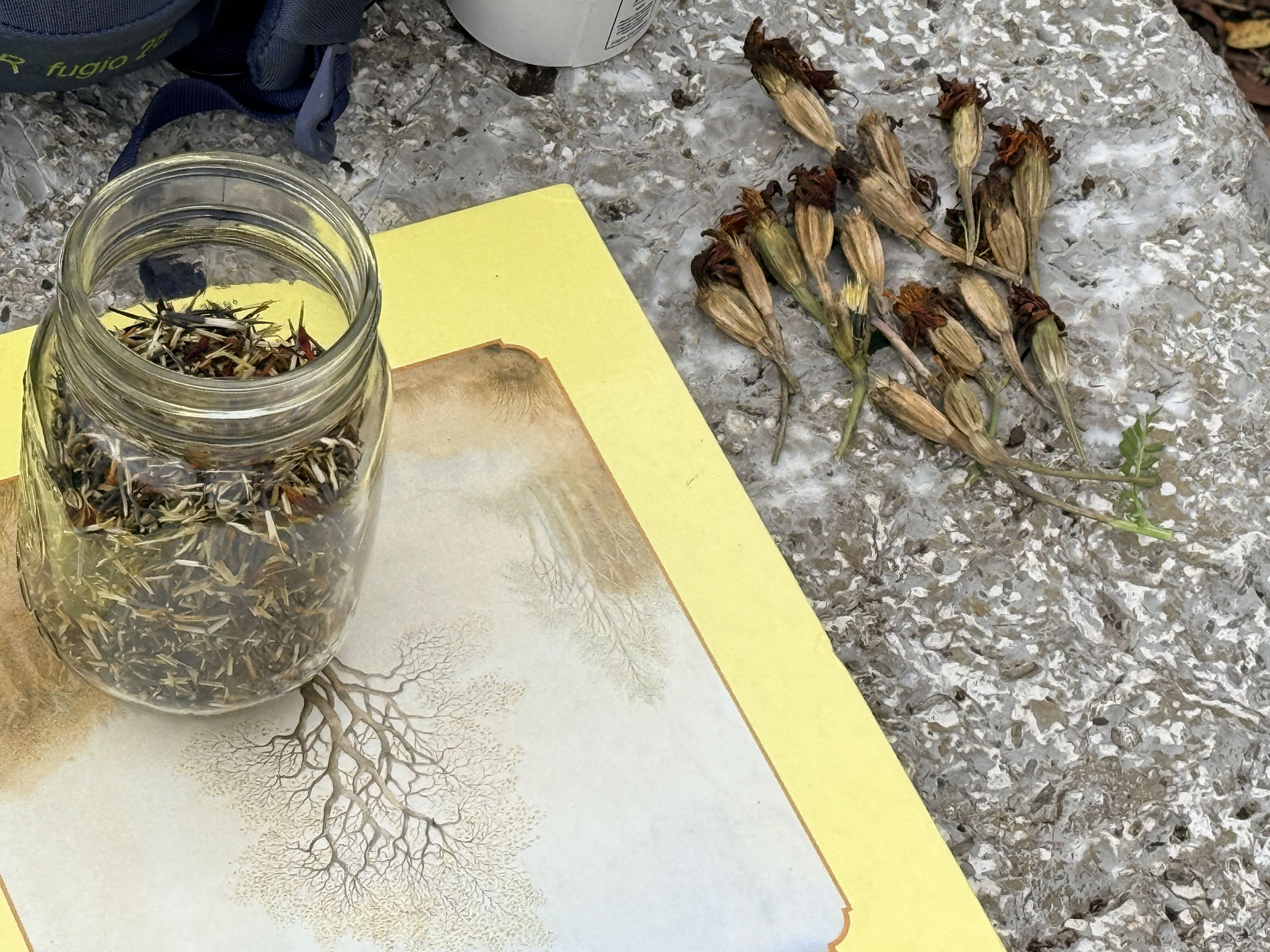
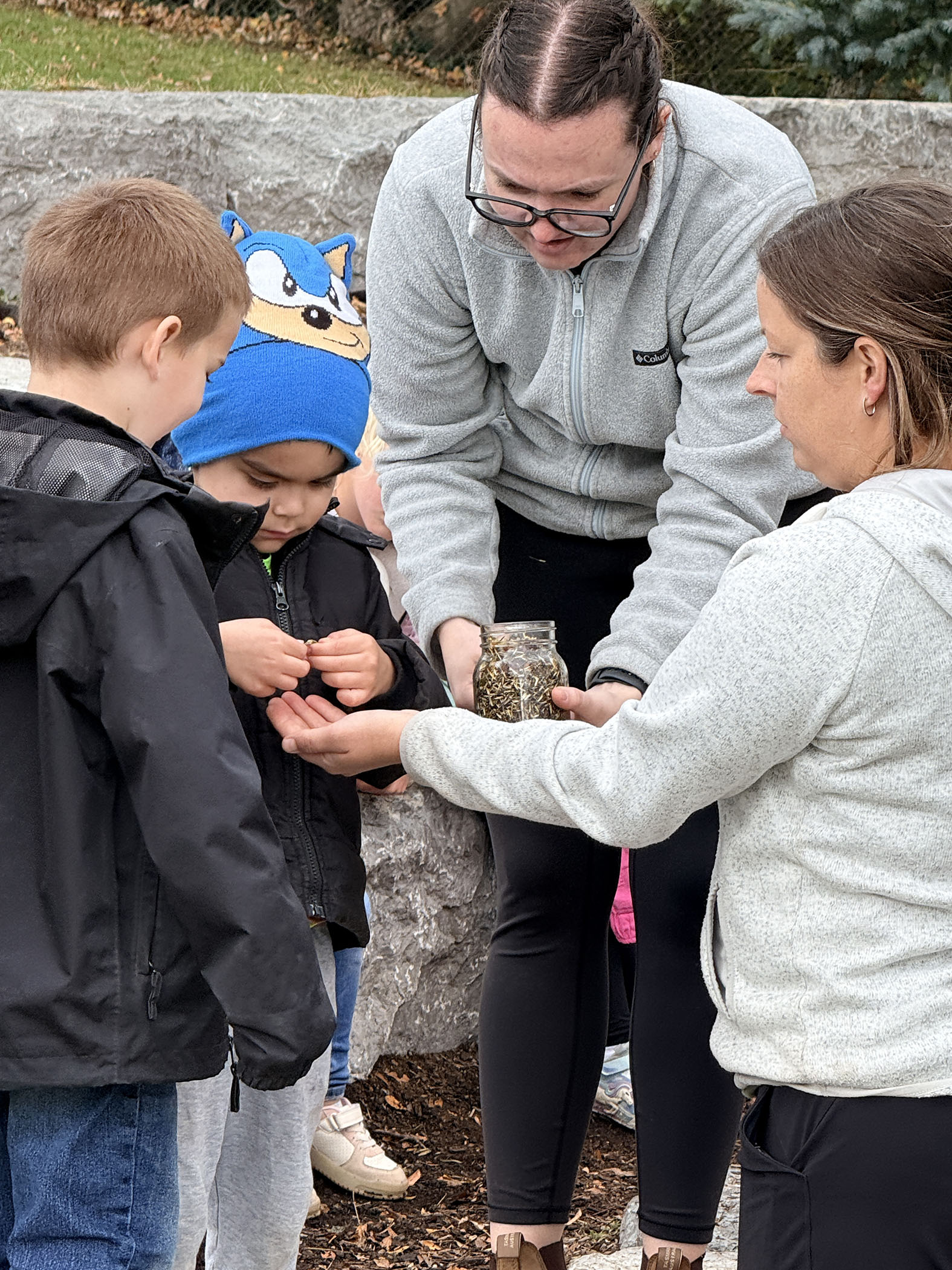
Every class had the opportunity to harvest seeds, including cosmos, marigolds and broccoli. The marigolds were a particular highlight, with a single flower head containing around 30–40 seeds! By the end of the activity, students had collected enough to fill an entire jar. It was a wonderful way to see just how much potential for new growth can be held in something so small.
Discovering the Life Within Our Garden
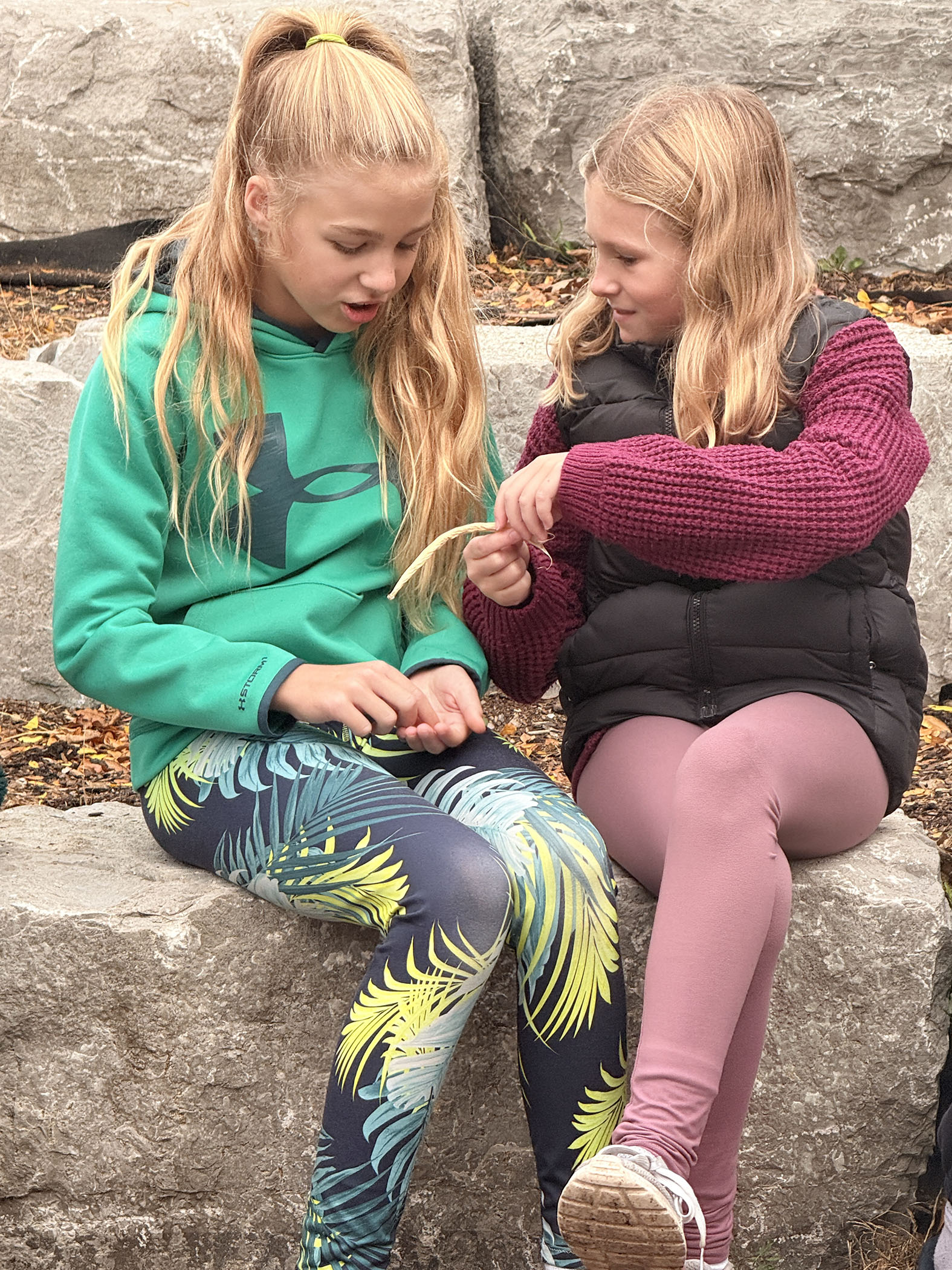
Students continued to explore the biodiversity of the garden and the many ways plants contribute to a thriving ecosystem. Each student searched for a seed to bring back and share with the group, sparking conversations about the different varieties they had discovered. The Rooted team also brought along a selection of seeds, including beans and milkweed, to demonstrate the variety of seeds plants produce and how they can be collected, properly dried and preserved for future planting.
The team also brought leaves from the tea garden on their campus at Kortright Presbyterian Church, giving students the opportunity to smell and taste hibiscus leaves and learn how some plants can be dried and used in new ways. These hands-on experiences helped students appreciate that a garden is much more than a place to grow food. It is a living ecosystem where plants, insects, soil and other organisms work together, each playing an important role in sustaining life.
Preparing for a New Season
As the day drew to a close, our Kindergarten and Grade 1 students helped cover the garden beds with fallen leaves. This simple task is an important part of preparing the garden for winter. As the leaves break down, they enrich the soil, help retain moisture and provide protection for the life beneath the surface.
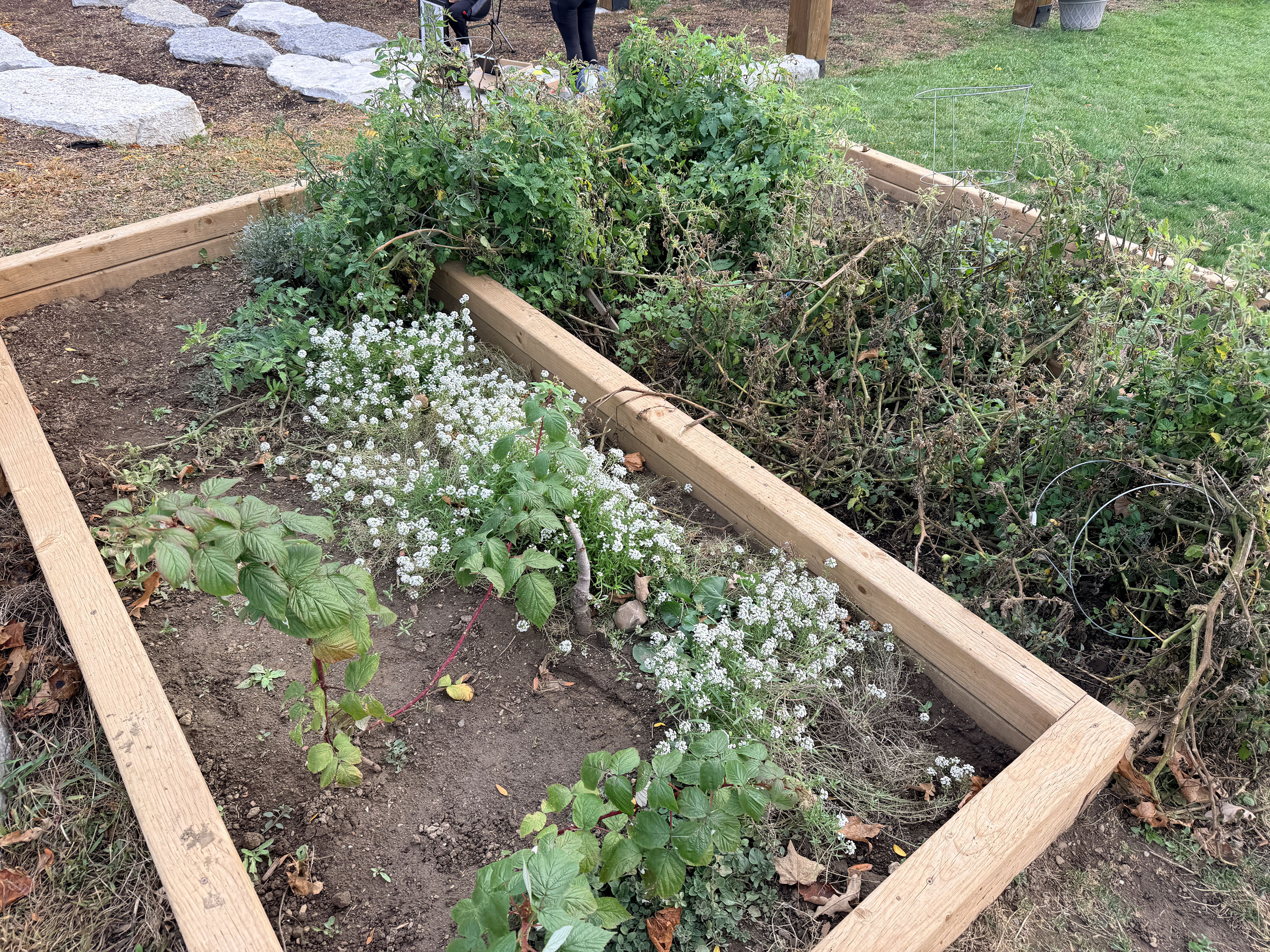
Not everything needs to be harvested or cleared away! Several perennial plants will remain in the garden over winter, ready to begin growing again in the spring. These include strawberries, raspberries, lavender, oregano and rhubarb. As the garden rests through the colder months, these established plants will help bring new life and growth to the garden when warmer weather returns.
Learning, Growing and Caring Together
Our community garden continues to provide meaningful opportunities for students of every age to learn beyond the classroom. Through practical activities, observation and discovery, they are developing a deeper understanding of how the natural world works and how our choices today can affect what grows tomorrow.
As we tuck the garden in for winter, we are reminded that even when growth isn’t immediately visible, important things are happening beneath the surface. Seeds are being saved, soil is being nourished, and the foundations for another season of learning are already being laid.
We look forward to seeing what grows next spring!
A huge thank you to Konnie and her wonderful team at Rooted Centre for sharing their time, knowledge and care with our students. Their passion for community gardens, biodiversity and teaching others how to care for our gardens and ecosystems makes these learning experiences so meaningful. We are incredibly grateful for their continued support and for all they do to help our students grow in their understanding of the natural world!